Use time as a starting point
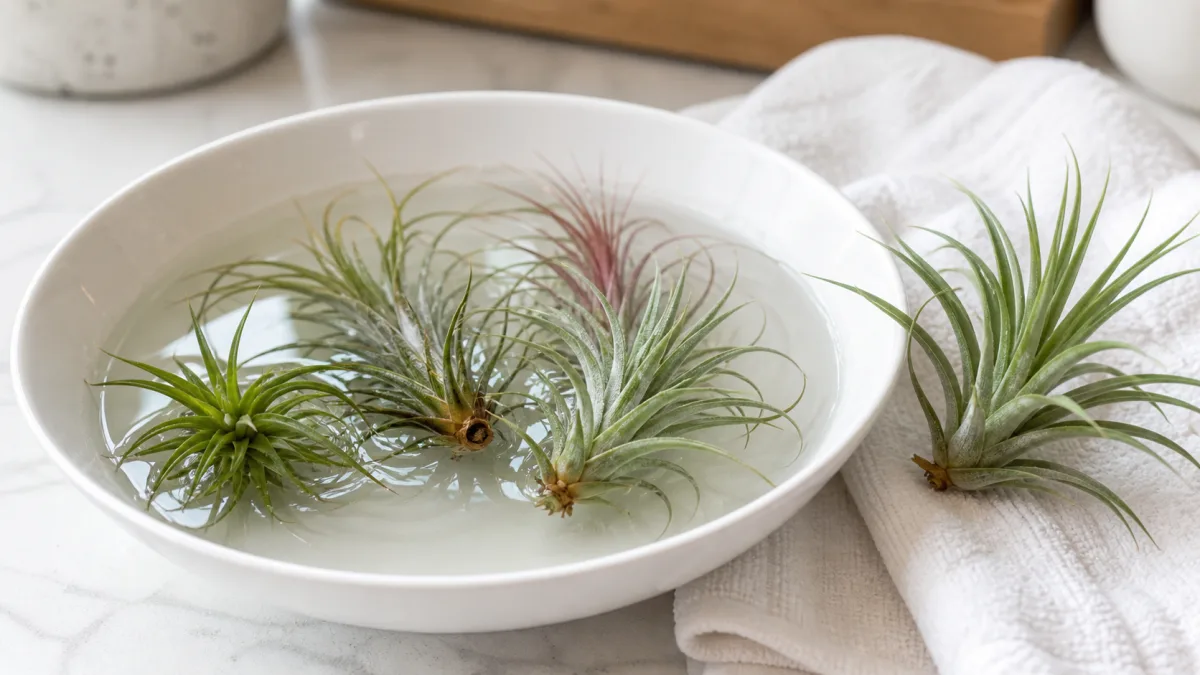
Many beginner routines start with a moderate soak of about 20 to 30 minutes rather than a very long soak. The right time depends on the plant and the home.
Shorter may be safer
Bulbous plants, closed displays, and humid rooms can make long soaking risky because water may sit in the base. A shorter soak plus good drying may be safer.
Longer is not always better
If a plant is severely dry, a longer soak may help, but frequent long soaking can create new problems. More water is not useful if the plant cannot dry afterward.
Match soak length to drying
The best soak length is the one that hydrates the plant and still lets it dry within a few hours. If drying takes too long, shorten the soak before changing everything else.
Watch plant response
Leaves may relax slightly after a useful soak, and the plant should feel firmer. Softening, yellowing, or a sour base means the routine is too wet or drying is too slow.
Judge the drying result
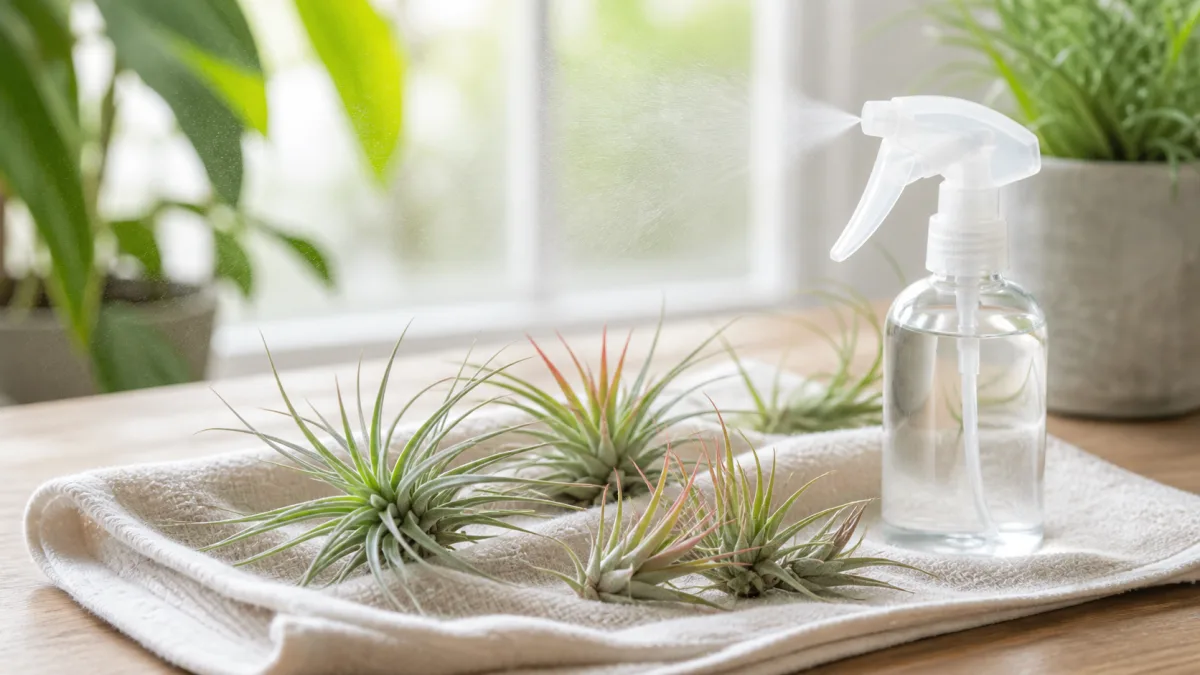
If the plant cannot dry within a few hours, shorten the soak, shake out trapped water more carefully, or improve airflow before returning it to a holder.
Adjust by season
Warm bright rooms may dry plants faster than cool winter rooms. Recheck soak length when humidity, heat, or light changes in your home.
Treat rescue soaks separately
A dehydrated plant may need a one-time longer soak, but that should not automatically become the normal routine. Return to a moderate schedule once the plant stabilizes.