Slow fading matters
Low light decline can be subtle. An air plant may sit in place for weeks while slowly losing color, firmness, or energy before the problem becomes obvious.
Growth may stall
If the plant never produces new growth, pups, or bloom signs, check whether it is getting enough light. Air plants can survive low light for a while without actively thriving.
Watering can look confusing
Low-light plants dry slowly. If you water on the same schedule as a plant in a bright window, moisture may linger and create rot risk.
Watch the display location
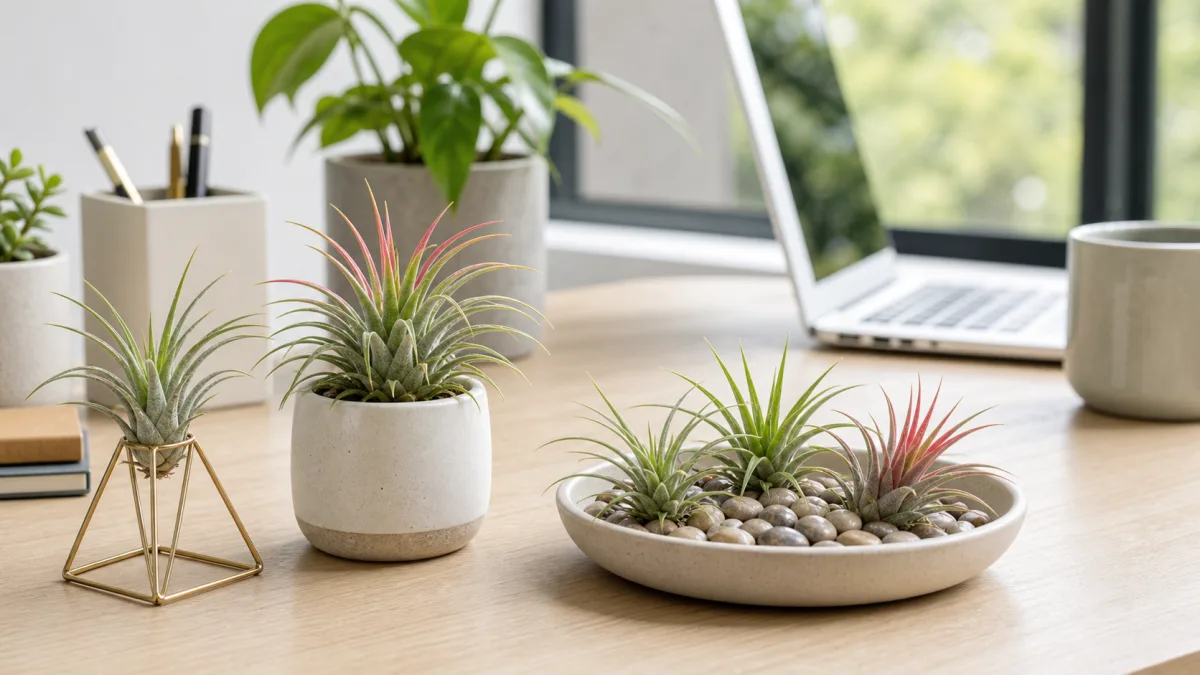
Shelves, bathrooms, offices, and interior rooms can be much darker than they look to people. If the plant is far from a window, assume light may be part of the issue.
Move gradually
Shift the plant toward brighter indirect light instead of suddenly placing it in hot direct sun. Morning light or a brighter filtered window is usually a safer first move.
Consider a grow light
If there is no bright window, use a plant grow light on a consistent schedule. A normal room lamp is often not enough for long-term growth.
Compare with a healthy plant
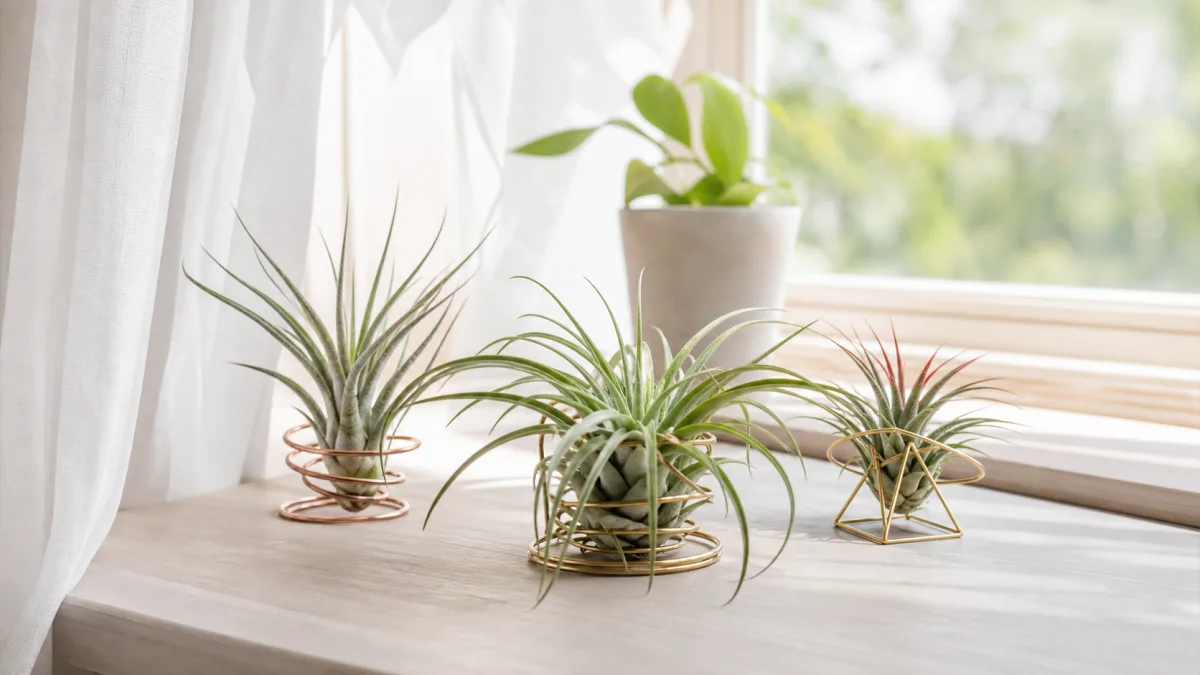
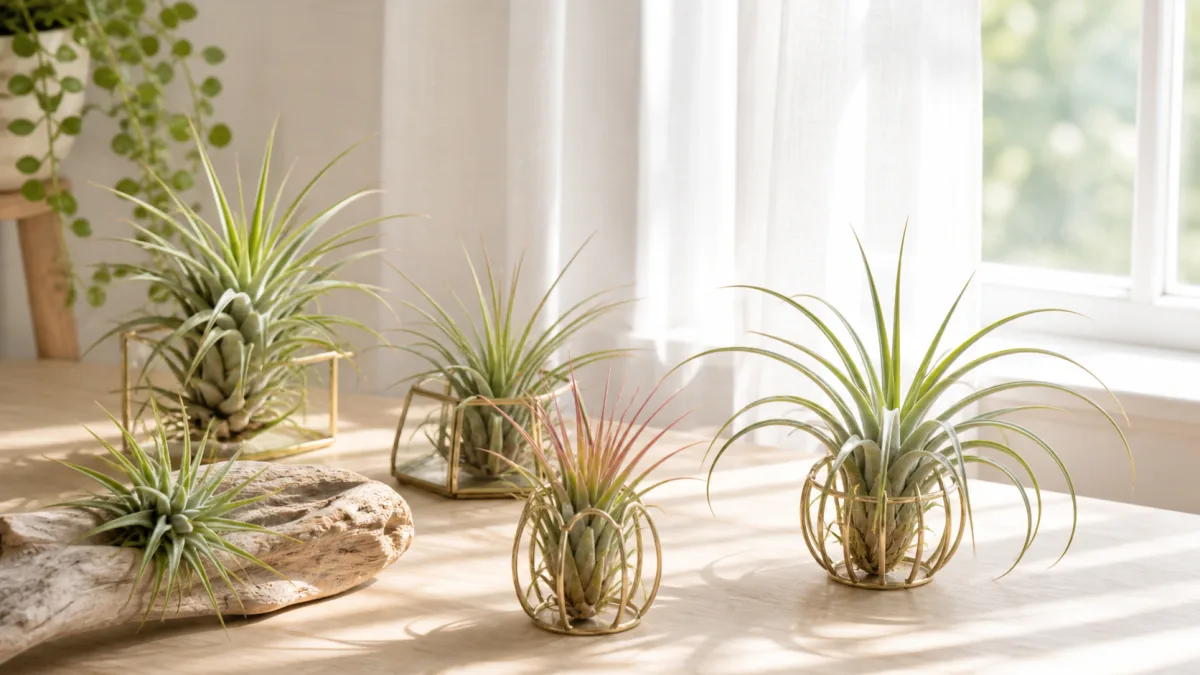
If possible, compare leaf color, firmness, and drying speed with another air plant in a brighter location. Side-by-side comparison often makes slow low-light decline easier to spot.
Watch after the move
Improvement may be slow. Judge the change by stopped fading, firmer leaves, better drying rhythm, and eventual new growth rather than instant recovery.