Some curling is natural
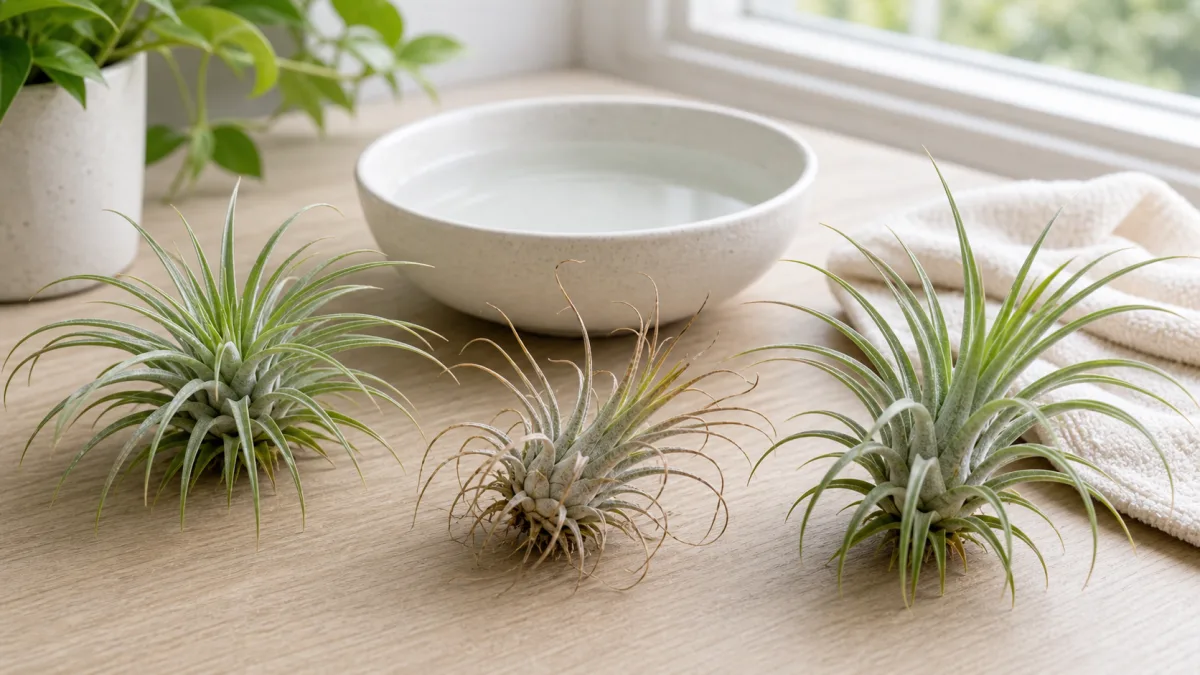
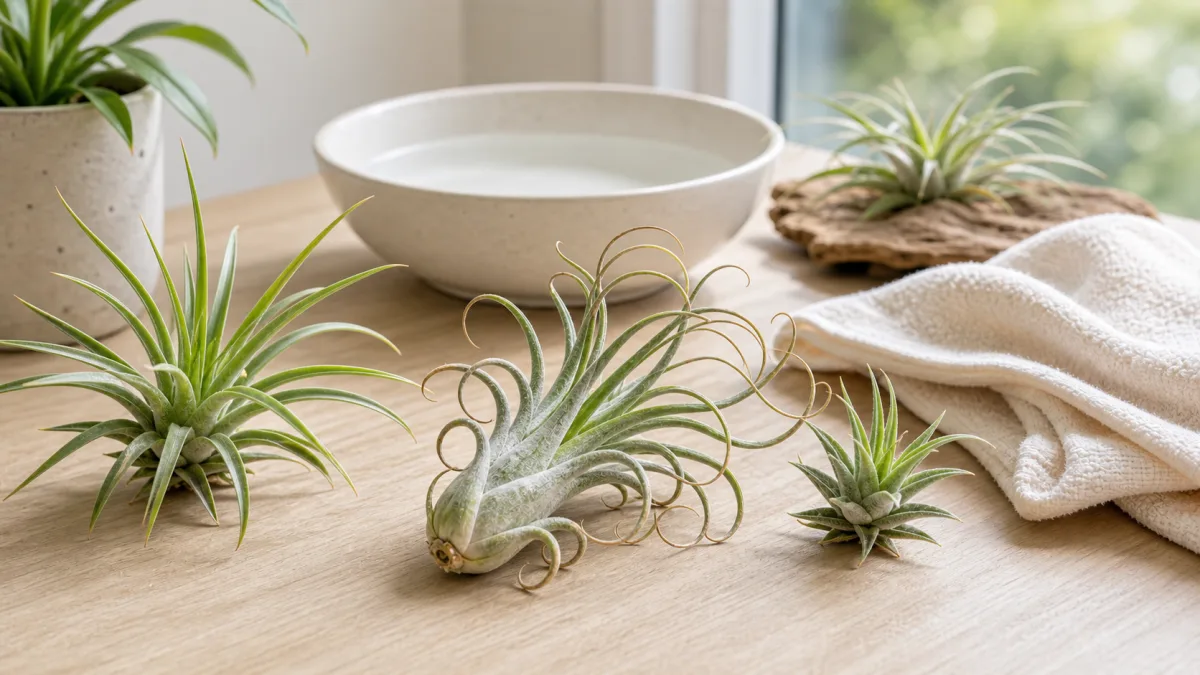
Species like xerographica naturally have curled leaves. Do not treat every curl as a problem unless the plant changes suddenly or feels weaker than usual.
Tight curling can mean dryness
If leaves curl tighter than usual and feel thin or papery, the plant may need deeper hydration. A thorough soak or rinse may help if the plant is otherwise firm and healthy.
Check sun and heat
Hot direct sun, dry indoor air, or heat vents can make leaves curl as the plant loses moisture. Move the plant away from harsh conditions before increasing watering too aggressively.
Hydrate and observe
Water thoroughly, shake out extra droplets, dry fully, and watch the plant over several days. Leaves may relax slightly if dryness was the cause, but damaged or naturally curled leaves may not change much.
Compare with the plant type
Thin-leaved plants may show dryness quickly, while naturally curled or silvery plants can look dry even when they are healthy. Compare to past appearance, not just a generic photo.
Check the base before soaking more
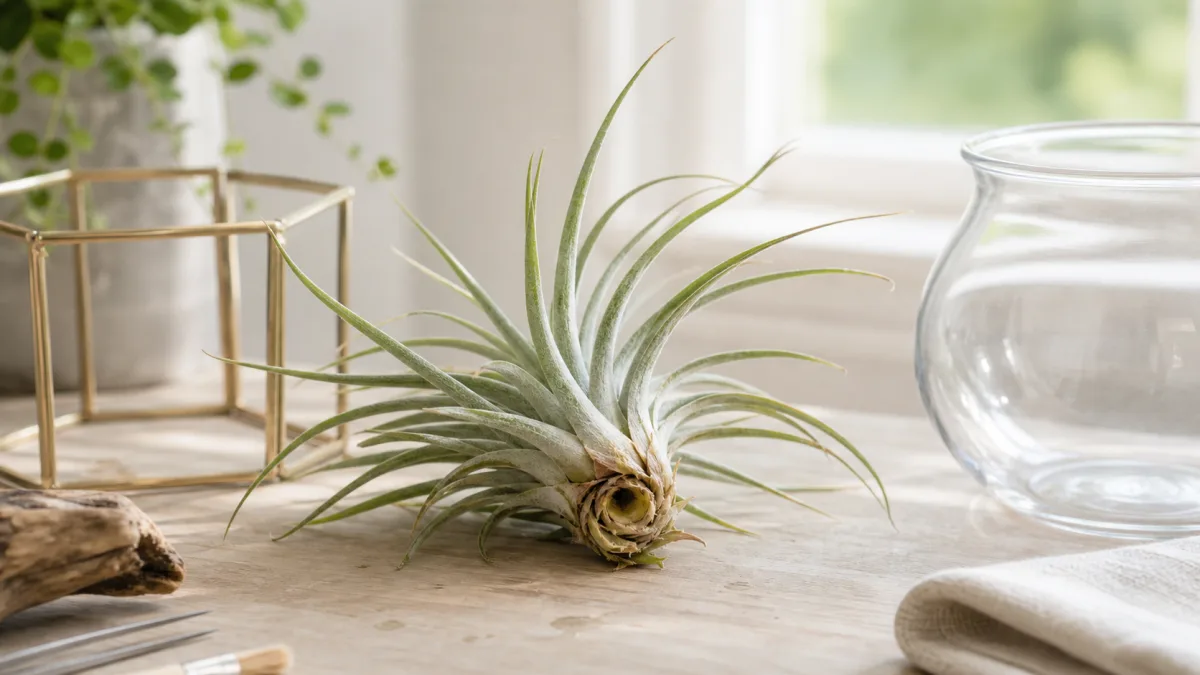
Curling plus a firm base usually points toward dryness or heat. Curling with softness, dark tissue, or loose leaves needs a rot check before more water.
When curling is worrying
Curling with a soft base, dark center, or leaves falling apart points to a bigger problem than dryness. In that case, inspect for rot and improve drying before adding more water.
Adjust the cause
If the issue was dryness, deepen or slightly increase watering. If it was heat, move the plant. If it was slow drying, open the display rather than adding more water.