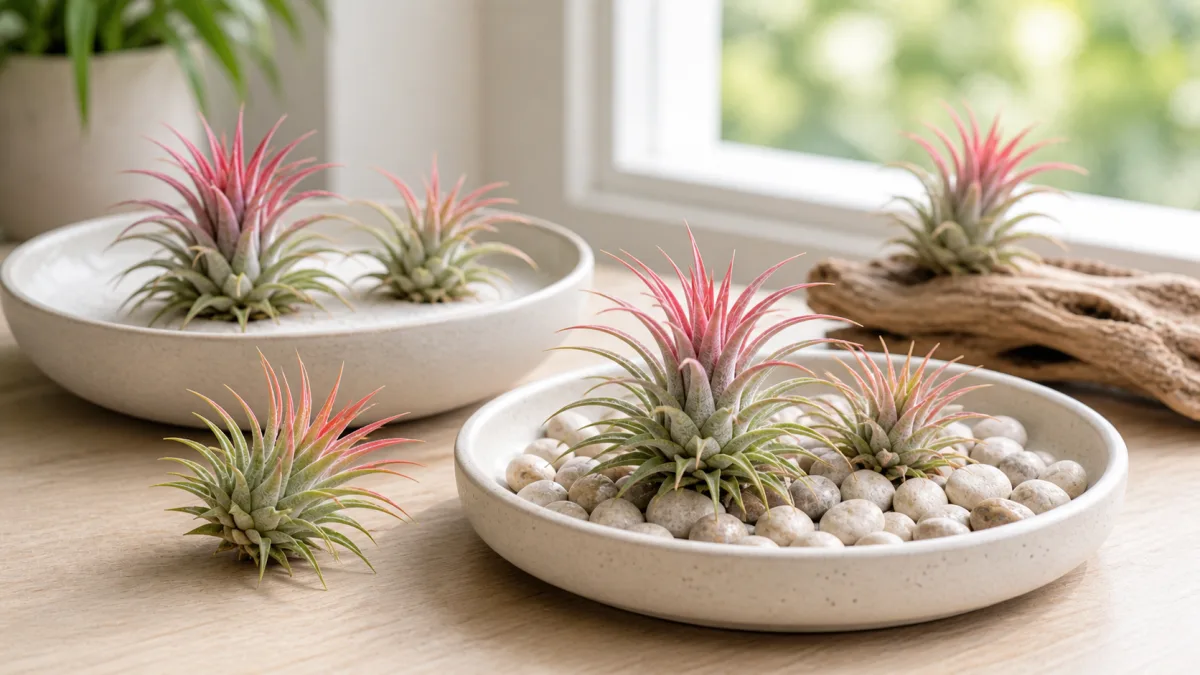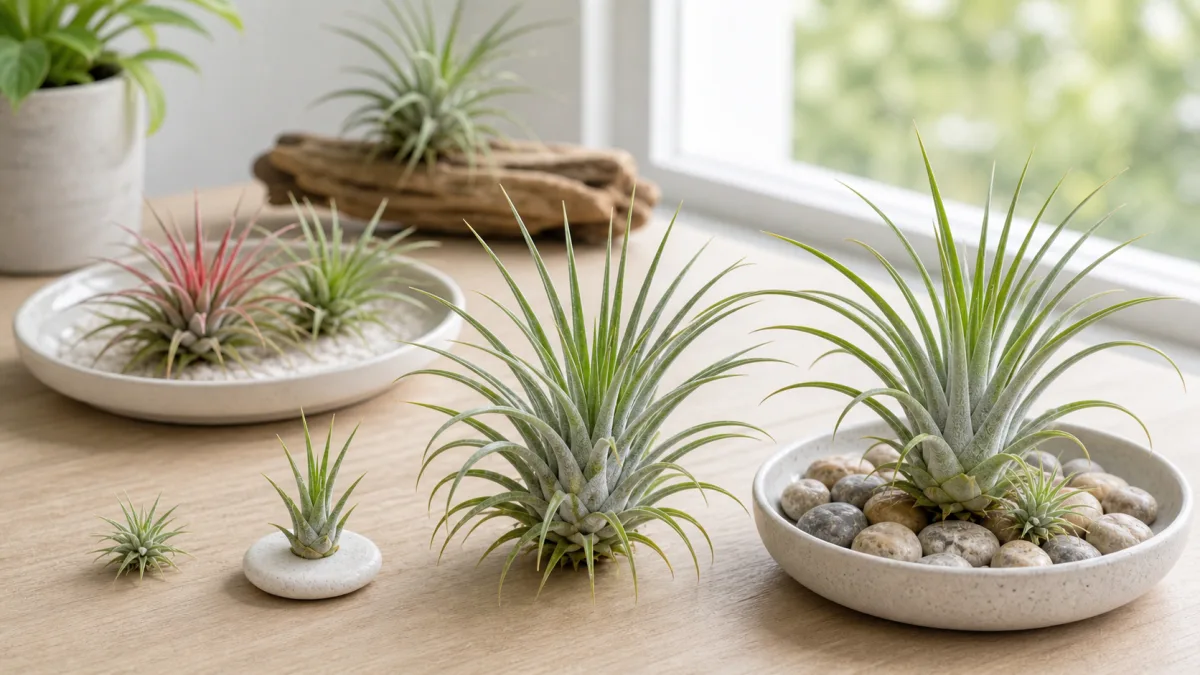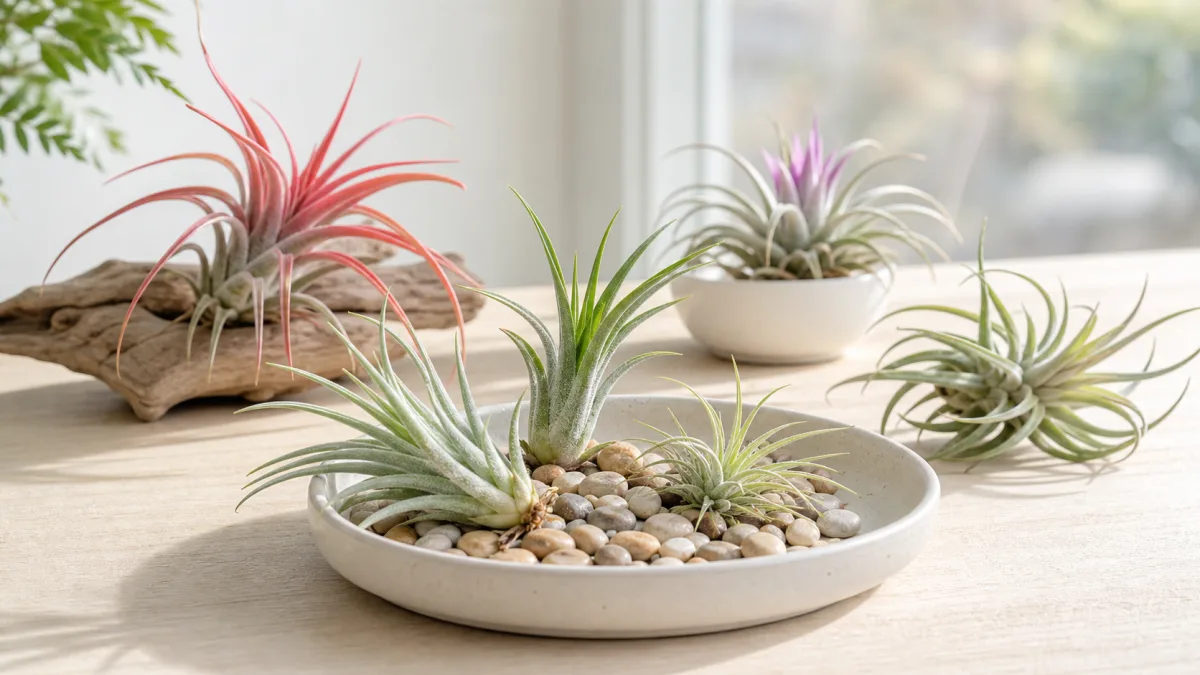
Seed growing is possible but slow
Air plants can grow from seed, especially after a flowering plant produces a seed pod. This is different from separating pups. Seed growing is a long-term project for curious growers, not the fastest way to get a display-size plant.
Start with fresh seed
Tillandsia seed is usually best sown soon after the capsule opens. The seed often looks like tiny fluff because it is adapted to catch on bark, branches, or rough surfaces. If the seed is old, dry, or unidentified, germination becomes less predictable.
Use an airy surface
Do not bury air plant seed in potting soil. Use a clean, airy surface such as plastic mesh, fine screen, cork, or another material that holds the seed while still allowing air movement. Soggy media can grow algae or Mold that smothers tiny seedlings.
Balance moisture and airflow
Seeds and seedlings need regular moisture, but stagnant wet air is risky. Mist gently, keep the surface lightly moist, and make sure air can move around the tray. A sealed container may hold humidity, but it can also encourage mold if there is no ventilation.
Give bright indirect light
Use bright indirect light rather than harsh direct sun. Seedlings are tiny and dry out quickly, but they still need enough light to keep growing. A gentle grow light can help when natural light is weak.
Expect a long timeline
Germination can happen faster than growth, but seedlings often stay small for a long time. Many growers measure progress in months and years. Pups are much quicker if your goal is simply more air plants.
When to separate seedlings
Do not rush separation. Wait until seedlings are large enough to handle without crushing the base. If they grow in a crowded clump, move small groups first instead of trying to pull every tiny plant apart.
Common seed mistakes
The usual failures are old seed, buried seed, soggy media, stagnant humidity, weak light, impatience, and handling seedlings too early. Keep the setup simple, clean, airy, and consistent.