Lifespan depends on care and species
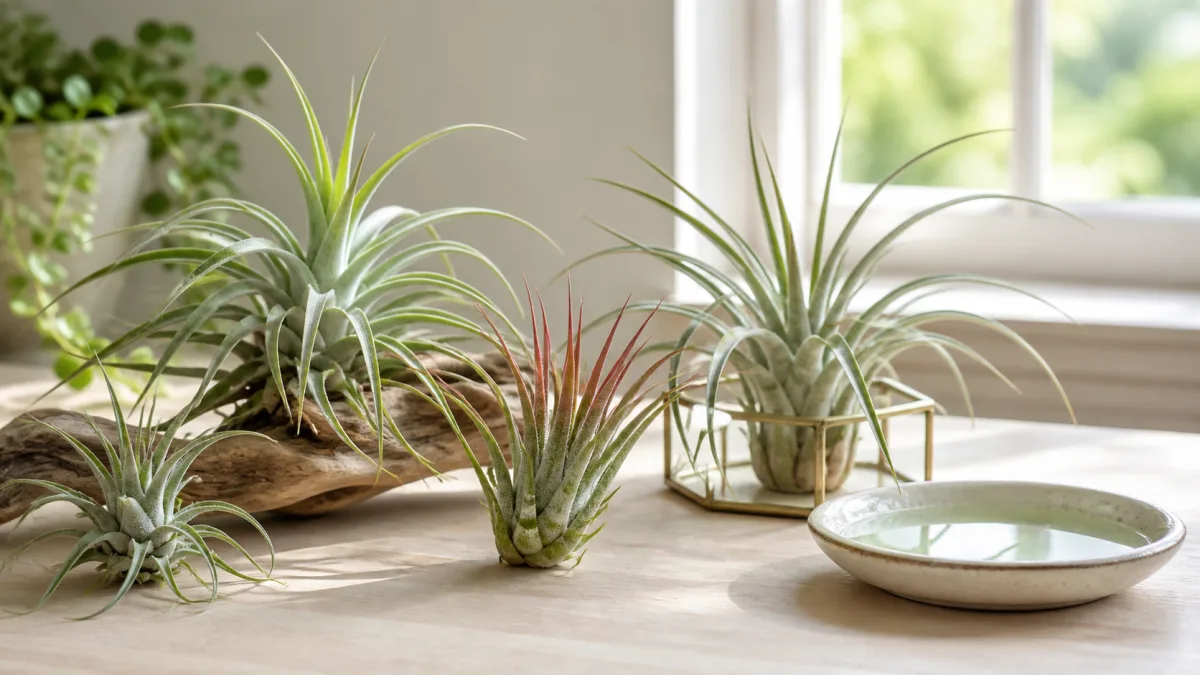
Air plants are not disposable decorations. With enough light, regular watering, and good drying, many can stay attractive for years.
Blooming changes the timeline
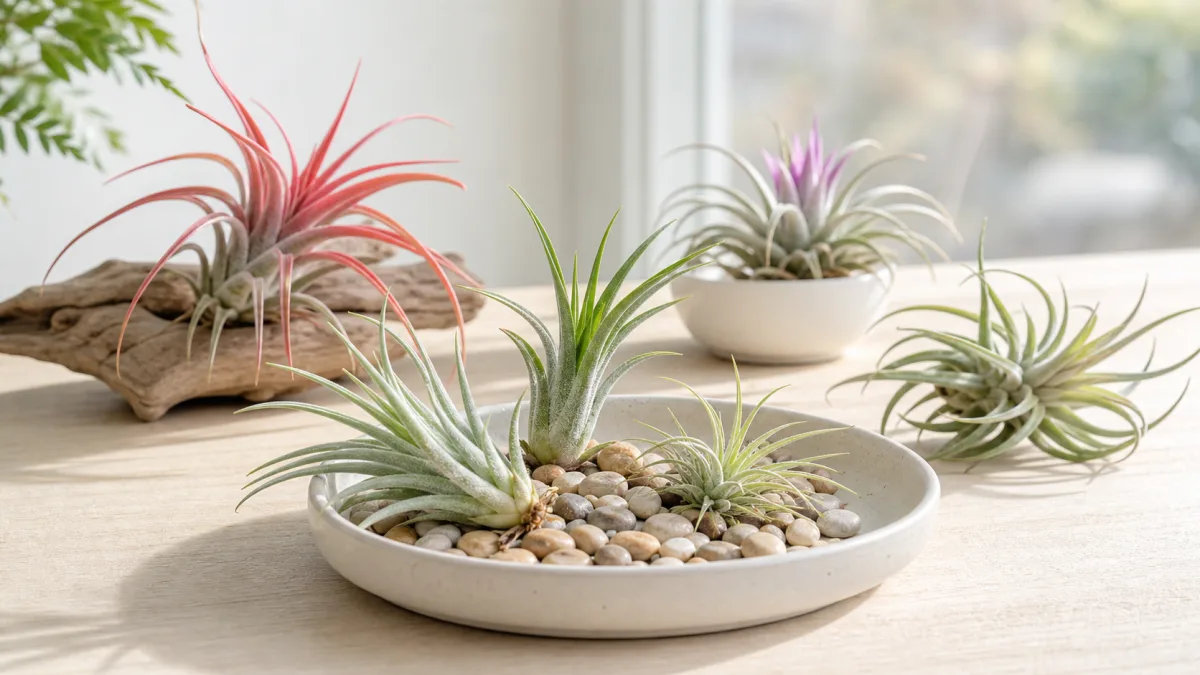
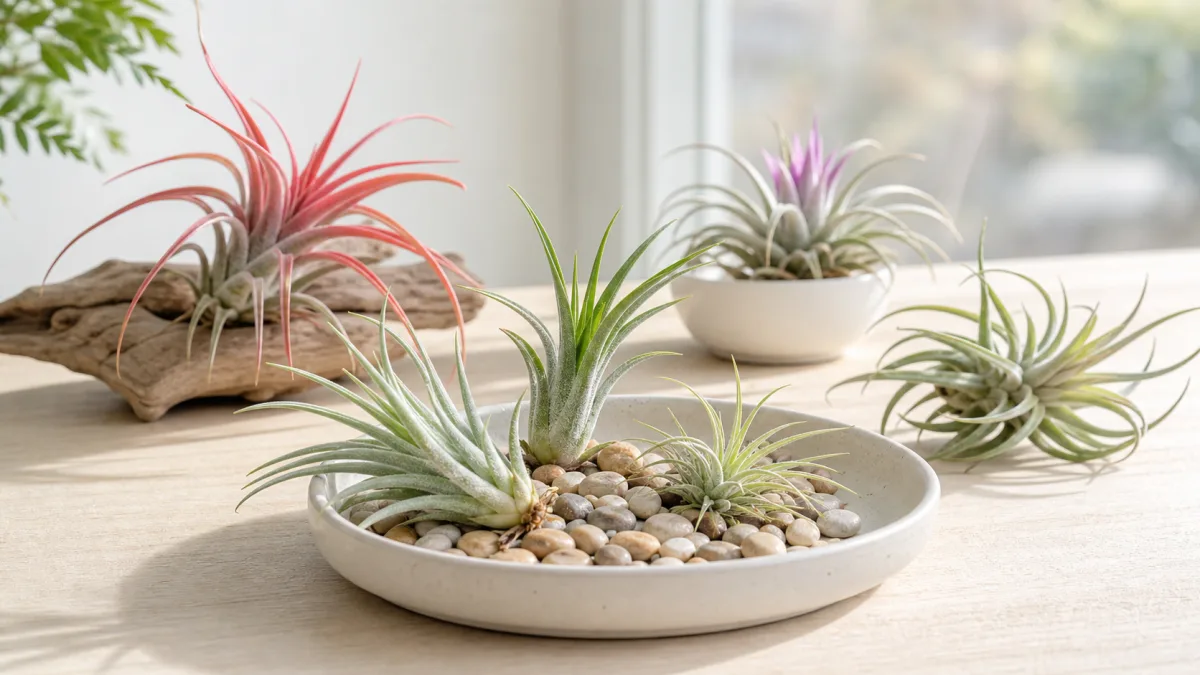
Many Tillandsia bloom once in their life cycle. After blooming, the mother plant may slowly fade while producing offsets, often called pups.
Pups extend the plant family
Pups can remain attached in a clump or eventually be separated when they are large enough. Keeping them attached is often easier for beginners.
Do not confuse blooming with sudden failure
A blooming plant may change color, grow a flower spike, and then slow down afterward. That decline can be normal if pups are developing and the base remains healthy.
Stress shortens lifespan
Low light, repeated dehydration, trapped moisture, and closed displays can make an air plant decline much sooner than expected.
How to support longer life
Keep the plant in bright indirect light, water deeply enough to hydrate it, and dry it completely after every watering. Avoid sealed displays that turn routine care into guesswork.
What long life looks like
A healthy long-lived air plant may grow slowly, produce pups, and change shape over time. Stability matters more than constant dramatic growth.
When to separate pups
Wait until pups are large enough to handle without tearing the base. If the clump is healthy and easy to water, leaving pups attached is often the least stressful choice.