Use open glass only
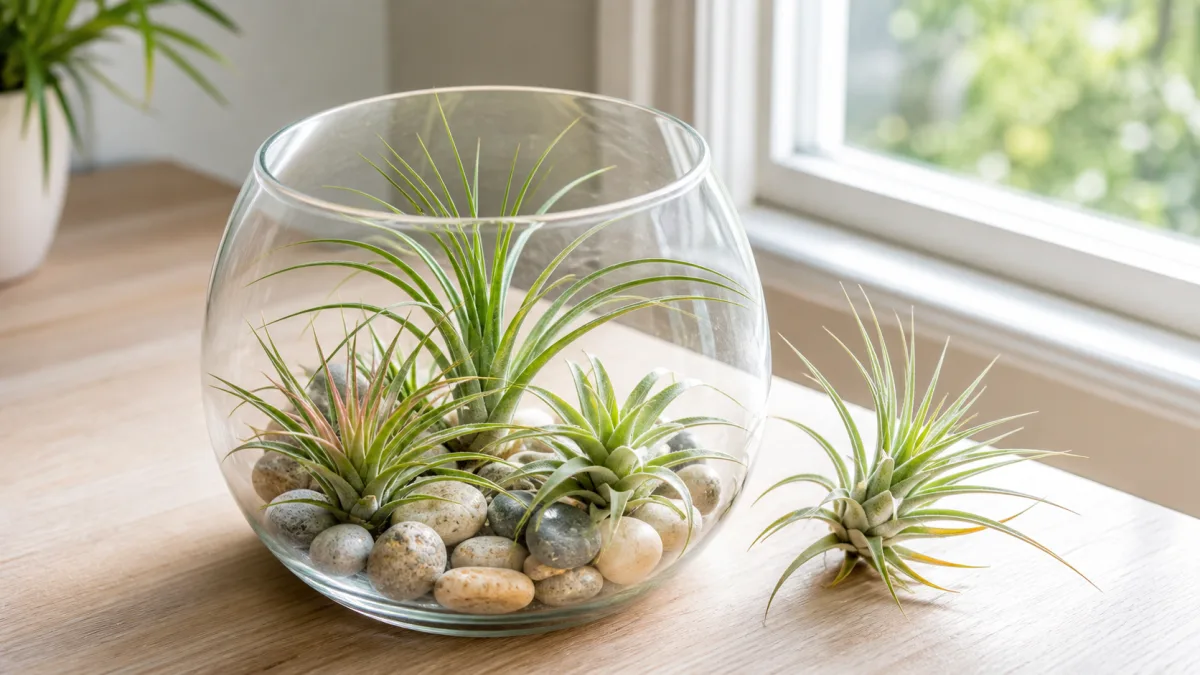
Glass can show off air plants beautifully, but the safest globes are open, wide-mouthed, and easy to ventilate. A sealed container is not a good long-term home because moisture has nowhere to go.
Remove plants for watering
Do not soak or heavily mist the plant while it sits inside the globe. Water it separately, shake out trapped droplets, and let it dry in open air before putting it back.
Keep filler dry
Sand, rocks, shells, and decorative moss should stay dry under the plant. Damp filler can create trapped moisture against the base even when the leaves look dry.
Watch condensation
Condensation on the glass means the display is too wet or too humid. Remove the plant, dry the container, and switch to a more open setup if the problem repeats.
Best plants for glass globes
Choose sturdy plants that are easy to lift out and inspect. Avoid tightly bulbous plants in narrow globes because water can hide in the base and dry slowly.
Place glass carefully
Glass near a sunny window can heat quickly. Use bright indirect light rather than a hot spot that turns the globe into a small greenhouse.
Clean the globe
Mineral marks and dust make it harder to see moisture and plant condition. Empty and wipe the globe occasionally so problems stay visible.
Know when to switch holders
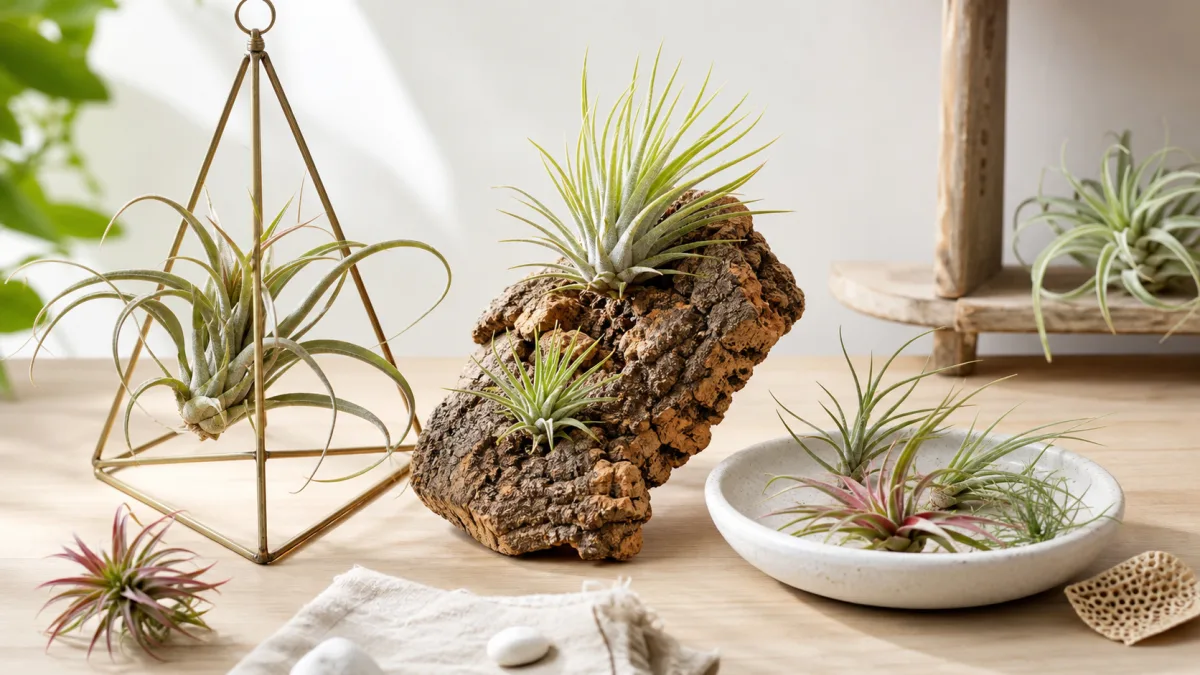
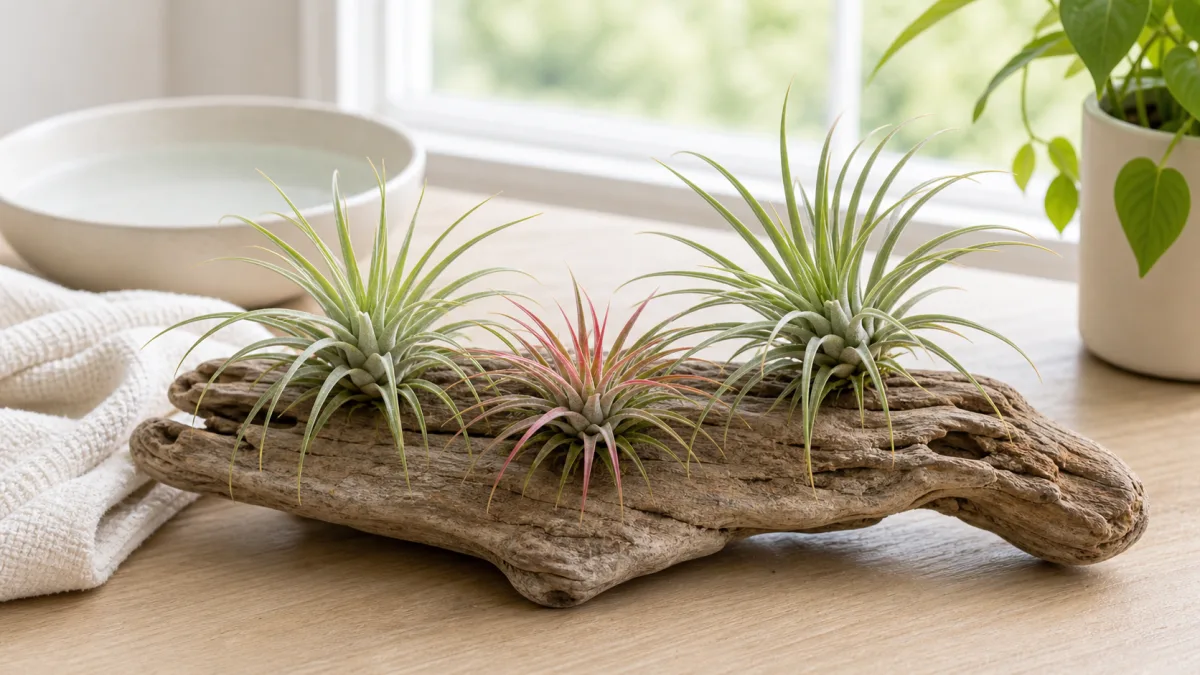
If the plant repeatedly stays damp, yellows, or softens in glass, move it to a wire stand, cork, driftwood, or shallow dish. The plant is more important than the container.